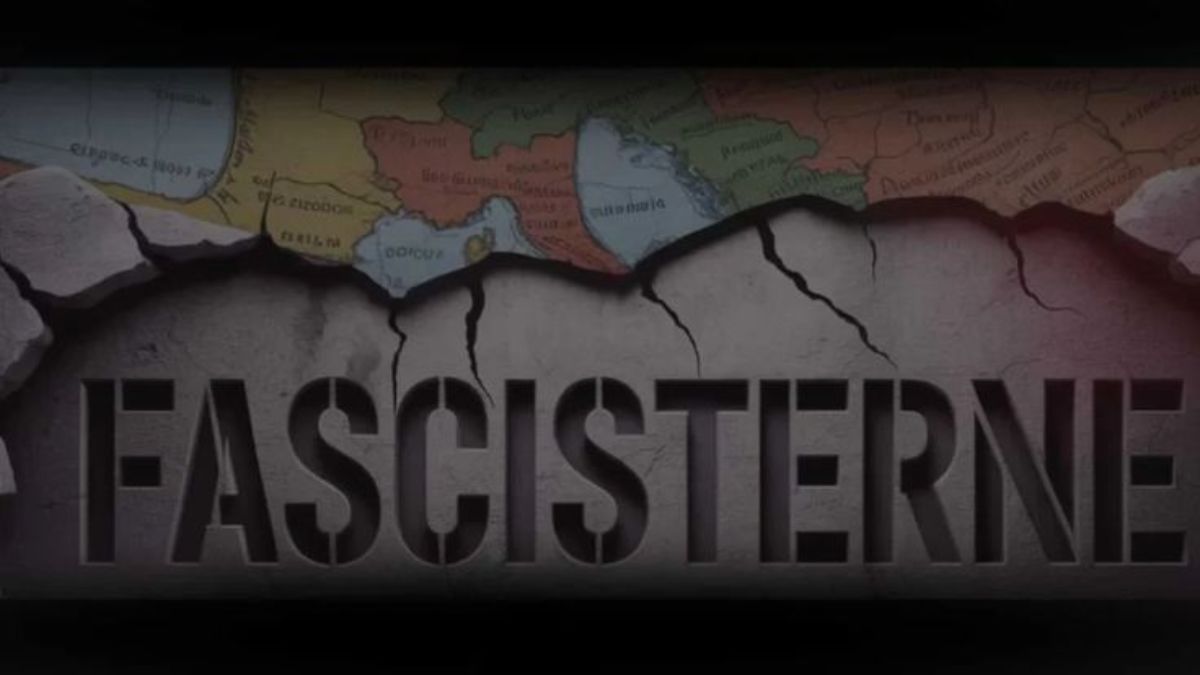
The term “fascisterne” refers to followers of fascism, a political ideology that emerged in early 20th-century Europe. It is commonly used in Scandinavian languages to describe individuals or groups who support fascist principles. Fascism promotes strong centralized power, strict social order, and intense nationalism. Unlike democratic systems, it rejects political pluralism and often suppresses opposition. The word itself comes from the Italian term “fascismo,” symbolizing unity and authority. Understanding this term helps clarify discussions around authoritarian regimes and political extremism. Today, it is also used more broadly, sometimes even as a label in political debates.
The Origins of Fascism in Europe
Fascism first appeared after World War I, during a time of economic hardship and political instability. It gained prominence in Italy under Benito Mussolini, who established the first fascist regime in 1922. The movement quickly spread to other parts of Europe, especially Germany, where Adolf Hitler adapted fascist ideas into Nazism. These movements promised national revival, economic recovery, and social unity. Many people supported fascisterne because they felt disillusioned with weak democratic governments. The chaos of the time created fertile ground for authoritarian ideologies to thrive.
Core Ideology Behind Fascisterne
Fascisterne are guided by a set of strong ideological beliefs that prioritize the nation above all else. They emphasize loyalty to the state and often promote a single-party system. Individual freedoms are usually limited in favor of collective discipline and unity. Fascist ideology also supports a powerful leader who embodies national strength. It often includes propaganda to control public opinion and maintain authority. Militarism and expansionism are also common features. These principles make fascism fundamentally different from liberal democracy and socialism.
How Fascisterne Gained Power
Fascisterne rose to power by exploiting economic crises, political instability, and public fear. In Italy and Germany, they used propaganda, mass rallies, and media control to influence the population. They also targeted specific groups as scapegoats, which helped unify supporters. Violence and intimidation were often used against political opponents. Over time, fascist leaders dismantled democratic institutions and established total control. Their ability to present themselves as strong, decisive leaders appealed to many citizens. This combination of strategy and circumstance allowed fascisterne to dominate entire nations.
The Role of Propaganda and Media
Propaganda played a crucial role in spreading fascist ideology and maintaining control. Fascisterne used newspapers, radio broadcasts, and posters to shape public perception. Messages were carefully designed to promote nationalism and loyalty to the leader. Dissenting voices were silenced or censored to avoid criticism. Emotional appeals and fear-based messaging were common techniques. This control over information helped create a unified narrative that supported the regime. As a result, many people accepted or even supported authoritarian rule without questioning it.
Fascisterne and World War II
The influence of fascisterne reached its peak during World War II. Fascist regimes in Germany and Italy played central roles in starting the war. Their aggressive expansion policies led to widespread destruction and loss of life. The alliance between fascist states intensified the conflict on a global scale. Millions of people were affected, including victims of genocide and war crimes. The defeat of fascist powers in 1945 marked the end of their dominance. However, the impact of their actions is still studied and remembered today.
Differences Between Fascism and Other Ideologies
Fascism is often compared with other political systems, but it has unique characteristics. Unlike democracy, it does not allow free elections or political opposition. Compared to communism, fascism supports private property but under strict state control. It also emphasizes nationalism more strongly than most ideologies. Fascisterne reject individualism in favor of collective identity. These differences make fascism distinct and often controversial. Understanding these contrasts helps clarify political discussions and historical analysis.
The Decline of Fascisterne After WWII
After World War II, fascism lost much of its influence due to its association with violence and oppression. Many fascist leaders were removed from power or prosecuted. Countries that had supported fascism shifted toward democratic systems. International organizations promoted peace and cooperation to prevent similar ideologies from rising again. However, small groups and movements still exist today. These modern versions often adapt fascist ideas to new contexts. Despite its decline, the ideology has not completely disappeared.
Modern Interpretations and Misuse of the Term
Today, the term “fascisterne” is sometimes used loosely in political debates. People may label opponents as fascists without fully understanding the historical meaning. This can lead to confusion and reduce the seriousness of the term. True fascism involves specific ideological and structural elements. Misusing the word can weaken discussions about real political issues. It is important to use accurate language when discussing sensitive topics. Clear understanding helps maintain meaningful and respectful dialogue.
Lessons Learned from Fascisterne
The history of fascisterne offers important lessons about power, governance, and human behavior. It shows how fear and uncertainty can lead people to support authoritarian leaders. It also highlights the dangers of propaganda and unchecked authority. Democracies must remain strong and transparent to prevent similar ideologies from rising. Education and awareness play key roles in protecting societies. By studying the past, we can better understand the present. These lessons remain relevant in today’s complex political landscape.
Conclusion
Fascisterne represent a significant and often troubling chapter in modern history. Their rise was driven by social unrest, economic hardship, and political instability. Through strong leadership, propaganda, and control, they reshaped entire nations. However, their legacy is marked by conflict, oppression, and global devastation. Understanding fascism is essential for recognizing its warning signs in the modern world. By learning from history, societies can work toward more inclusive and democratic futures. The story of fascisterne is not just about the past—it is a reminder of what must never be repeated.
FAQs
What is fascisterne?
Fascisterne refers to people who follow or support fascist ideology, which emphasizes strong leadership, nationalism, and centralized power.
What are the main features of fascism?
Fascism includes authoritarian rule, limited individual freedoms, strong nationalism, and control over media and society.
Who were famous fascist leaders?
Well-known leaders include Benito Mussolini and Adolf Hitler.
Is fascism still present today?
While major fascist regimes no longer exist, some groups and ideologies inspired by fascism still appear in modern politics.
Why is fascism considered dangerous?
Fascism can lead to oppression, loss of freedoms, and conflict due to its authoritarian nature and focus on control.