
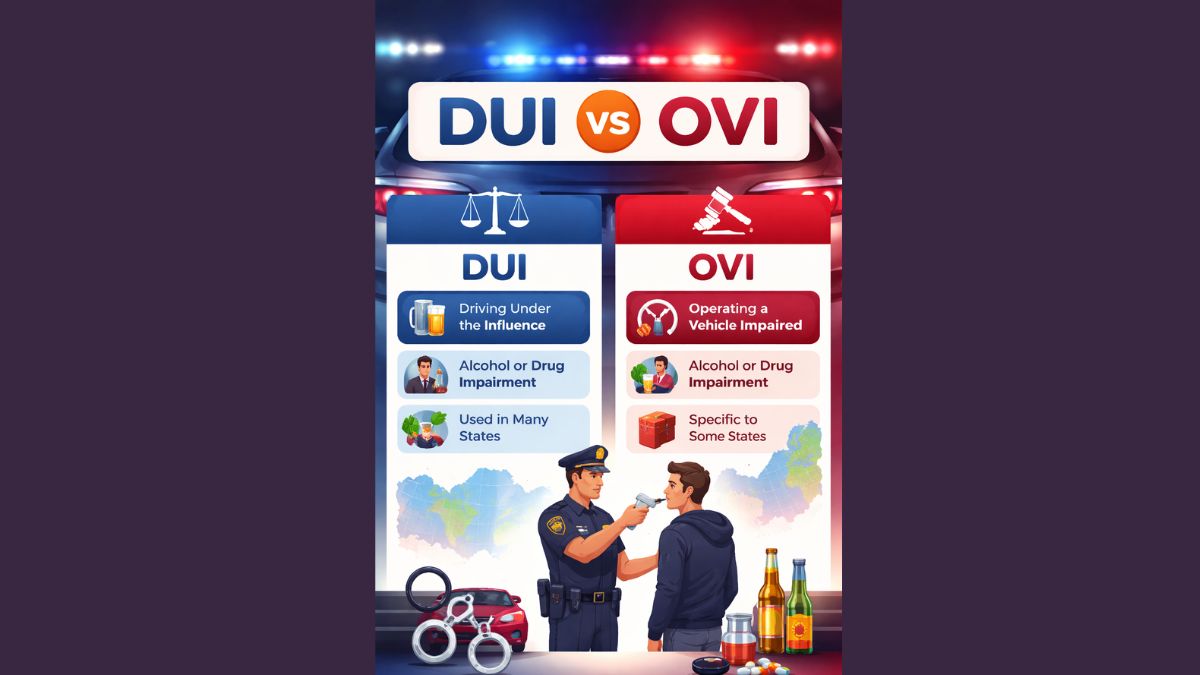
If you have ever heard the terms DUI and OVI, you might think they mean the same thing. While both relate to impaired driving, they are not always identical in legal meaning. The confusion often arises because different states and regions use different terminology to describe driving under the influence of alcohol or drugs. Understanding the distinction between DUI and OVI is essential, especially if you want to stay informed about traffic laws and avoid serious legal trouble.
This guide explains everything in simple, clear language. You will learn what DUI and OVI mean, how they differ, what penalties you may face, and how these charges can affect your life. Whether you are a driver, student, or just curious, this article will help you understand the topic deeply and practically.
What is DUI?
DUI stands for Driving Under the Influence, and it is one of the most commonly used legal terms worldwide. It refers to operating a vehicle while impaired by alcohol, drugs, or any substance that affects your ability to drive safely. Most jurisdictions define DUI based on a specific blood alcohol concentration limit, usually 0.08% for adult drivers.
A DUI charge can also apply even if your blood alcohol level is below the legal limit, as long as your driving ability is clearly impaired. This means law enforcement officers can assess your behavior, coordination, and response during traffic stops. DUI laws aim to reduce road accidents and protect public safety by discouraging risky behavior.
What is OVI?
OVI stands for Operating a Vehicle Impaired, a term used in certain regions instead of DUI. While it may sound slightly different, it generally covers the same concept of driving while impaired by alcohol, drugs, or both. The term emphasizes the act of operating a vehicle rather than just driving.
OVI laws are often broader than DUI laws. They can include not only alcohol impairment but also prescription drugs, illegal substances, or even inhalants. In some areas, simply sitting in a vehicle with the engine running while impaired could result in an OVI charge. This makes OVI a more inclusive and sometimes stricter legal term.
Key Differences Between DUI and OVI
Although DUI and OVI are similar in purpose, the main difference lies in terminology and legal scope. DUI is a widely recognized term used in many regions, while OVI is specific to certain jurisdictions. The choice of term depends on local law enforcement and legal systems.
Another important difference is how the law defines impairment. OVI often focuses on the broader concept of being impaired while operating any vehicle, not just driving. This includes situations where the vehicle may not even be in motion. On the other hand, DUI is more commonly associated with active driving under the influence.
Understanding these differences is important because legal consequences can vary depending on how the offense is defined in your area.
Legal Limits and Testing Methods
Both DUI and OVI laws rely heavily on measurable limits, especially blood alcohol concentration levels. Breathalyzer tests, blood tests, and urine tests are commonly used to determine whether a driver is legally impaired. These tests provide evidence that can be used in court.
Field sobriety tests are also widely used by law enforcement officers. These tests assess coordination, balance, and cognitive ability. Even if a chemical test is not immediately available, failing a field sobriety test can lead to arrest. Refusing to take a test may result in additional penalties, including license suspension.
Penalties and Consequences
The penalties for DUI and OVI can be severe and life-changing. They often include fines, license suspension, mandatory education programs, and even jail time. The severity of the punishment depends on factors such as prior offenses, blood alcohol level, and whether any accidents occurred.
First-time offenders may face lighter penalties, but repeat offenses usually result in harsher consequences. In some cases, drivers may be required to install ignition interlock devices that prevent the vehicle from starting if alcohol is detected. These measures are designed to reduce repeat offenses and improve road safety.
Impact on Your Driving Record
A DUI or OVI conviction can stay on your driving record for years. This can affect your ability to obtain or renew a driver’s license. It may also lead to higher insurance premiums, as insurance companies consider impaired driving a high-risk behavior.
In some cases, a conviction can appear on your criminal record, which may impact job opportunities, travel plans, and personal reputation. Employers often conduct background checks, and a history of impaired driving can raise concerns about responsibility and judgment.
DUI and OVI Involving Drugs
Impaired driving is not limited to alcohol. Both DUI and OVI laws cover drug-related impairment, including illegal drugs, prescription medications, and even over-the-counter substances that affect alertness. This makes the law more comprehensive and adaptable to modern challenges.
Drug impairment can be harder to measure than alcohol levels, but law enforcement uses various methods to detect it. These include drug recognition experts and specialized testing. Drivers must be cautious when taking medications that may affect their ability to drive safely.
How to Avoid DUI and OVI Charges
The best way to avoid DUI and OVI charges is simple: never drive while impaired. Planning ahead can make a big difference. Using ride-sharing services, public transportation, or designated drivers can help you stay safe and avoid legal trouble.
It is also important to understand how alcohol and drugs affect your body. Even small amounts can impair your judgment and reaction time. Being aware of your limits and making responsible choices can protect both you and others on the road.
Legal Defense and Your Rights
If you are charged with DUI or OVI, understanding your legal rights is crucial. You have the right to legal representation and a fair trial. A qualified attorney can help you understand the charges, evaluate evidence, and build a defense strategy.
In some cases, charges may be reduced or dismissed due to procedural errors or lack of evidence. However, relying on legal loopholes is not a safe strategy. The best defense is always prevention through responsible behavior.
Why Laws Use Different Terms
The use of different terms like DUI and OVI often depends on legal history and regional preferences. Some jurisdictions update their laws to reflect broader definitions of impairment, leading to terms like OVI. Others continue using traditional terms like DUI.
Despite the difference in wording, the goal remains the same: to prevent impaired driving and ensure public safety. Understanding these terms helps you stay informed and compliant with local laws.
Social and Safety Implications
DUI and OVI are not just legal issues; they are major public safety concerns. Impaired driving contributes to a significant number of road accidents and fatalities each year. These incidents affect not only drivers but also passengers, pedestrians, and families.
By raising awareness and enforcing strict laws, authorities aim to reduce these risks. Responsible driving habits and community education play a key role in creating safer roads for everyone.
Conclusion
DUI and OVI may sound different, but they share a common purpose: preventing impaired driving and protecting lives. Understanding the differences between these terms can help you navigate legal systems and make informed decisions. The consequences of impaired driving go far beyond fines and penalties, affecting your safety, reputation, and future opportunities.
By staying informed and making responsible choices, you can avoid these charges and contribute to a safer driving environment. Always remember that driving is a responsibility, and even a single mistake can have lasting consequences.
FAQs
What is the main difference between DUI and OVI?
DUI refers to driving under the influence, while OVI emphasizes operating a vehicle while impaired, even if not actively driving.
Can you be charged with OVI without driving?
Yes, in some cases you can be charged if you are operating or in control of a vehicle while impaired, even if it is not moving.
What is the legal alcohol limit for DUI?
In most regions, the legal blood alcohol concentration limit is 0.08% for adult drivers.
Do DUI and OVI charges include drugs?
Yes, both charges can apply to impairment caused by alcohol, illegal drugs, or prescription medications.
How long does a DUI stay on your record?
It depends on the jurisdiction, but a DUI can remain on your driving or criminal record for several years.