
Mitochondria are often called the “powerhouse of the cell,” but that phrase only scratches the surface. These tiny structures inside our cells play a central role in keeping us alive, energized, and functioning properly every single day. From powering your muscles during exercise to supporting brain activity, mitochondria are constantly at work behind the scenes.
In this article, we will explore what mitochondria are, how they work, why they matter for your health, and what happens when they don’t function properly. Everything is explained in simple, natural language so you can truly understand this fascinating part of biology.
What Are Mitochondria?
Mitochondria are small, membrane-bound structures found inside most cells of the human body. They are responsible for producing energy in the form of ATP, which is the fuel that cells use to perform their functions. Without mitochondria, cells would not have the energy required to survive or carry out essential processes.
Unlike other parts of the cell, mitochondria have their own DNA. This makes them unique and suggests that they may have originated from ancient bacteria that formed a symbiotic relationship with early cells. Over time, they became a permanent and essential part of cellular life.
Mitochondria vary in number depending on the type of cell. For example, muscle cells contain more mitochondria because they need more energy to function. This flexibility allows the body to adapt to different energy demands.
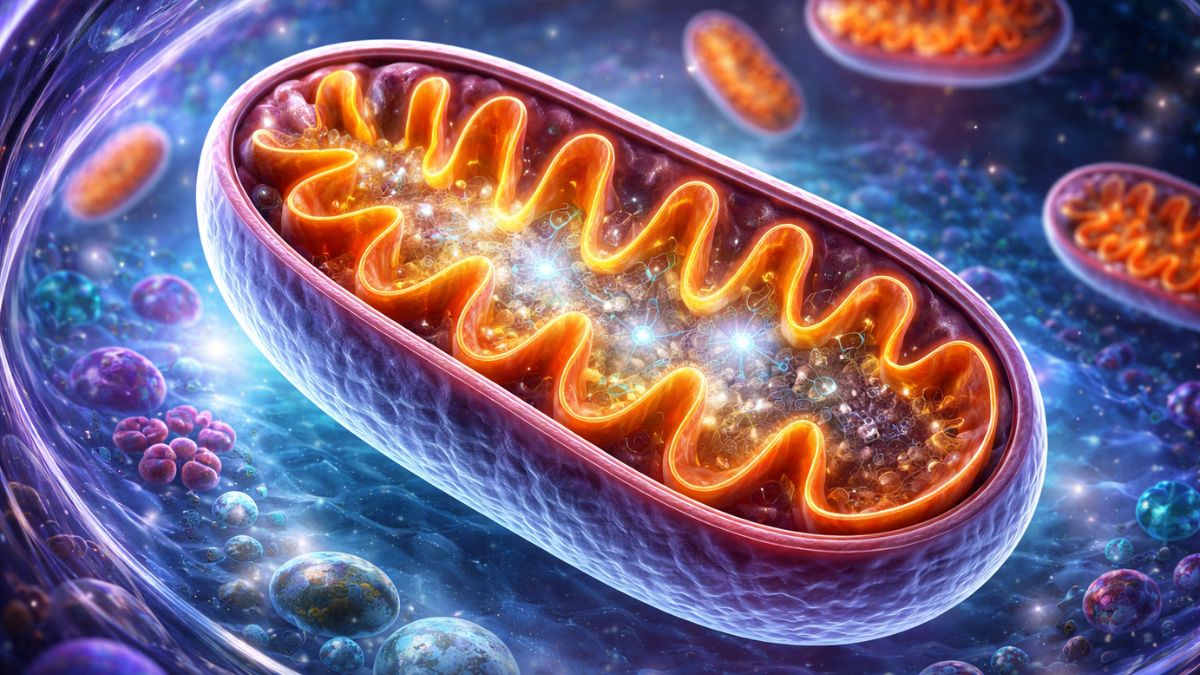
Their structure includes an outer membrane, an inner membrane, and a folded interior known as cristae. These folds increase the surface area, allowing more space for energy production.
In simple terms, mitochondria are like tiny energy factories that keep your body running efficiently.
Structure of Mitochondria Explained
The structure of mitochondria is designed perfectly for its role in energy production. It consists of two main membranes: the outer membrane and the inner membrane. The outer membrane acts as a protective barrier, while the inner membrane is where most of the energy-producing reactions take place.
The inner membrane is folded into structures called cristae. These folds increase the surface area, allowing more chemical reactions to occur. This is important because energy production requires space for enzymes and proteins to work effectively.
Inside the inner membrane is a fluid-filled space called the matrix. This area contains enzymes, mitochondrial DNA, and ribosomes. It plays a key role in breaking down nutrients to produce energy.
The space between the two membranes is known as the intermembrane space. This area is involved in creating a gradient that helps generate ATP through a process called oxidative phosphorylation.
Overall, the complex structure of mitochondria is what makes it so efficient at producing energy.
How Mitochondria Produce Energy
Mitochondria generate energy through a process known as cellular respiration. This process converts nutrients like glucose into ATP, which is the energy currency of the cell. It happens in several stages, each playing a crucial role.
First, glucose is broken down into smaller molecules in the cytoplasm. These molecules then enter the mitochondria, where they are further processed in the matrix. This stage releases electrons that carry energy.
These electrons move through the electron transport chain located in the inner membrane. As they move, they help create a gradient of protons across the membrane. This gradient is essential for ATP production.
Finally, ATP is produced using an enzyme called ATP synthase. This enzyme uses the proton gradient to generate energy-rich ATP molecules. These molecules are then used by the cell for various functions.
This entire process is highly efficient and allows cells to produce a large amount of energy from nutrients.
Why Mitochondria Are Important for Health
Mitochondria are essential for overall health because they provide the energy needed for nearly every bodily function. From breathing and digestion to thinking and movement, all processes depend on mitochondrial activity.
Healthy mitochondria also play a role in regulating cell death, which is important for removing damaged or harmful cells. This helps maintain balance and prevents diseases from developing.
They are also involved in producing heat, especially in brown fat cells. This helps regulate body temperature and energy balance. Additionally, mitochondria support the immune system by helping cells respond to infections.
When mitochondria function properly, the body feels energetic and balanced. However, when they become damaged or inefficient, it can lead to fatigue and various health problems.
Taking care of mitochondrial health is crucial for maintaining overall well-being and vitality.
Mitochondrial DNA and Its Unique Role
Mitochondria have their own DNA, which is separate from the DNA found in the cell nucleus. This mitochondrial DNA is inherited only from the mother, making it unique in the way it is passed down through generations.
This DNA contains instructions for producing proteins that are essential for mitochondrial function. Although it is much smaller than nuclear DNA, it plays a critical role in energy production.
Because mitochondrial DNA is located close to the site of energy production, it is more vulnerable to damage from free radicals. This can lead to mutations over time, affecting mitochondrial efficiency.
Scientists study mitochondrial DNA to understand genetic diseases, aging, and even human evolution. It provides valuable insights into how cells function and adapt.
Overall, mitochondrial DNA adds another layer of complexity and importance to these tiny organelles.
Mitochondria and Aging
Mitochondria play a significant role in the aging process. As we age, mitochondrial function tends to decline, leading to reduced energy production and increased cellular damage. This is one of the reasons why people often feel less energetic as they grow older.
Over time, mitochondria accumulate damage from oxidative stress. This affects their ability to produce ATP efficiently. As a result, cells may not function as well as they used to.
This decline can contribute to age-related conditions such as muscle weakness, memory loss, and decreased metabolism. Scientists believe that maintaining mitochondrial health can slow down some aspects of aging.
Lifestyle choices such as regular exercise, a balanced diet, and proper sleep can help support mitochondrial function. These habits may improve energy levels and overall health.
Understanding the link between mitochondria and aging can help people make better choices for long-term wellness.
Mitochondrial Dysfunction and Diseases
When mitochondria do not work properly, it can lead to a condition known as mitochondrial dysfunction. This can affect different parts of the body, especially organs that require a lot of energy, such as the brain, heart, and muscles.
Mitochondrial diseases can be inherited or develop over time due to environmental factors. These conditions may cause symptoms like fatigue, muscle weakness, and neurological problems.
In some cases, mitochondrial dysfunction is linked to chronic diseases such as diabetes, cardiovascular issues, and neurodegenerative disorders. Researchers are actively studying these connections to find better treatments.
Early diagnosis can be challenging because symptoms vary widely. However, advances in medical research are improving our understanding of these conditions.
Maintaining healthy mitochondria is essential for preventing and managing these health issues.
Ways to Support Mitochondrial Health
Supporting mitochondrial health is important for maintaining energy levels and overall well-being. Simple lifestyle changes can have a significant impact on how well your mitochondria function.
Regular physical activity helps increase the number and efficiency of mitochondria in cells. Exercise encourages the body to produce more energy and improves overall fitness.
A balanced diet rich in nutrients such as vitamins, minerals, and antioxidants supports mitochondrial function. Foods like fruits, vegetables, whole grains, and healthy fats are especially beneficial.
Getting enough sleep is also crucial, as it allows the body to repair and regenerate cells, including mitochondria. Reducing stress can further protect these structures from damage.
By adopting healthy habits, you can enhance mitochondrial performance and improve your overall quality of life.
Conclusion
Mitochondria are much more than just the “powerhouse of the cell.” They are essential for energy production, cellular health, and overall body function. Their unique structure, independent DNA, and vital role in metabolism make them one of the most fascinating components of human biology.
Understanding how mitochondria work can help you appreciate the importance of maintaining a healthy lifestyle. From supporting energy levels to preventing disease, these tiny organelles play a huge role in your well-being.
By taking care of your body through proper nutrition, exercise, and rest, you can support your mitochondria and enjoy better health in the long run. Even though they are microscopic, their impact on your life is enormous.
FAQs
What is mitochondria?
Mitochondria are structures inside cells that produce energy in the form of ATP, helping cells function properly.
Why are mitochondria called the powerhouse of the cell?
They are called the powerhouse because they generate most of the energy needed for cellular activities.
Do all cells have mitochondria?
Most human cells have mitochondria, but some specialized cells may have very few or none.
Can mitochondria repair themselves?
Mitochondria can repair minor damage, but severe damage may affect their function and efficiency.
How can I improve mitochondrial health?
You can improve mitochondrial health through exercise, a balanced diet, good sleep, and stress management.