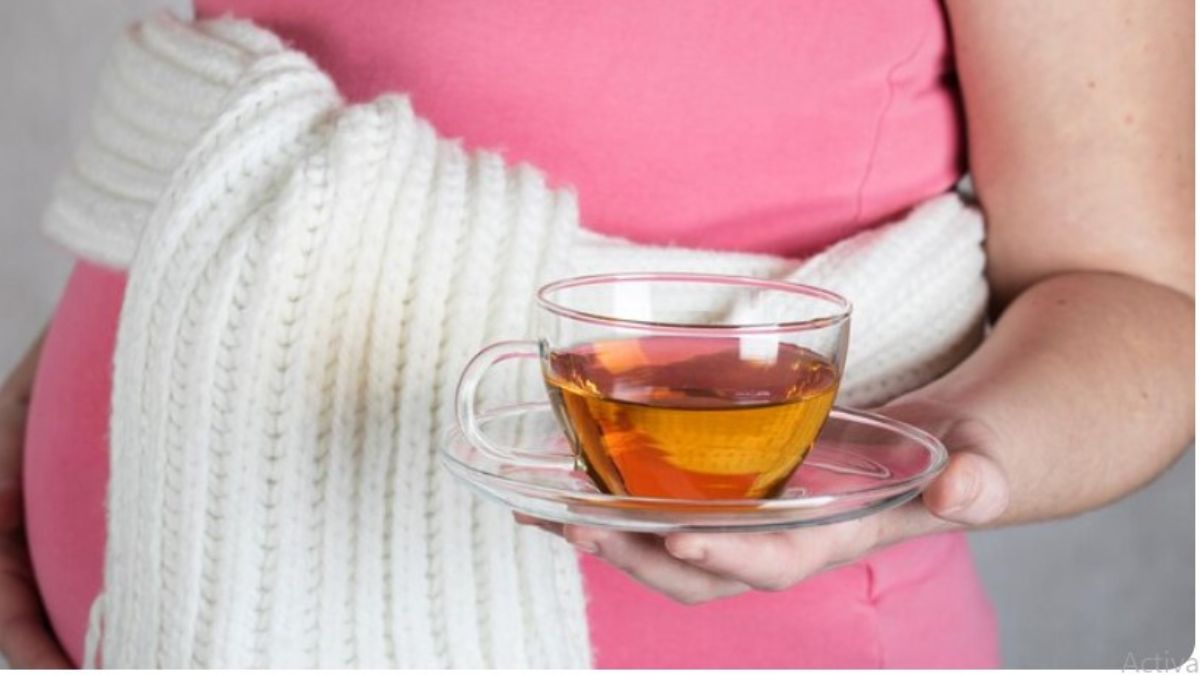
Trying to conceive can feel emotional, exciting, and sometimes overwhelming. Many couples look for gentle, natural ways to support reproductive health alongside medical advice. One popular option is herbal tea. Certain teas for fertility have been used for centuries in traditional medicine to help balance hormones, regulate menstrual cycles, and improve overall reproductive wellness. While tea alone is not a miracle cure, the right herbs may support your body in a nourishing and calming way. Let’s explore which options are worth considering and how they may help.
How Teas for Fertility May Support Reproductive Health
Herbal fertility tea works by supporting the body’s natural hormonal balance and improving circulation to reproductive organs. Many herbs contain phytonutrients, antioxidants, and plant compounds that may encourage a healthy menstrual cycle and ovulation. Improved blood flow to the uterus can help create a more supportive environment for implantation.
Drinking warm herbal tea also reduces stress levels, which is important because chronic stress can disrupt hormone production and ovulation. Fertility is closely linked to overall health, including digestion, sleep, and emotional well-being. When combined with a healthy lifestyle, teas for fertility may gently enhance reproductive function without harsh side effects.
Red Raspberry Leaf Tea and Uterine Support
Red raspberry leaf tea is one of the most well-known herbal remedies for women’s reproductive health. Traditionally used as a uterine tonic, it is rich in vitamins and minerals such as iron, magnesium, and vitamin C. These nutrients may help strengthen the uterine lining and support regular menstrual cycles.
Many women drink red raspberry leaf tea before pregnancy to prepare the uterus for conception. It does not directly cause ovulation, but it may promote a healthy environment for implantation. Its mild taste makes it easy to include in a daily routine, and it is often recommended during the preconception phase for overall reproductive wellness.
Vitex (Chasteberry) Tea for Hormone Balance
Vitex, also known as chasteberry, is commonly used to support hormonal balance. It works by influencing the pituitary gland, which plays a key role in regulating progesterone levels. Balanced progesterone is essential for ovulation and maintaining a healthy luteal phase.
Women with irregular cycles or symptoms of hormonal imbalance may benefit from this herb under professional guidance. Unlike quick fixes, vitex takes time to show results, often requiring several menstrual cycles. When used correctly, it may support natural ovulation and improve fertility health in a steady and sustainable way.
Nettle Leaf Tea for Nutrient Support
Nettle leaf tea is often overlooked, yet it is packed with iron, calcium, and essential minerals. These nutrients are crucial for women trying to conceive, especially those with anemia or nutrient deficiencies. Healthy blood levels and proper nourishment contribute to better reproductive function.
Nettle also supports liver health, which helps the body process excess hormones efficiently. A balanced hormonal system can promote a regular cycle and optimal ovulation. Drinking nettle leaf tea as part of a fertility-friendly diet may strengthen the body from the inside out.
Green Tea and Antioxidant Protection
Green tea is widely known for its antioxidant properties. Antioxidants help reduce oxidative stress, which can negatively affect egg quality and overall reproductive health. By protecting cells from damage, green tea may support healthier ovulation and reproductive function.
Moderation is important, as green tea contains caffeine. Small amounts can be beneficial, but excessive caffeine may interfere with fertility. Choosing high-quality green tea and limiting intake to one or two cups daily may provide gentle support without unwanted effects.
Important Considerations Before Drinking Fertility Teas
Although herbal teas are natural, they are still powerful plant medicines. Not every herb is suitable for everyone, especially if you have medical conditions or take prescription medications. It is always wise to consult a healthcare provider before adding herbal remedies to your fertility plan.
Timing also matters. Some herbs are best used before ovulation, while others should be avoided once pregnancy is confirmed. Listening to your body and using teas mindfully ensures you receive benefits without unnecessary risks. Fertility health is highly individual, and what works for one person may not work for another.
Conclusion: A Gentle Step Toward Natural Conception
Teas for fertility can be a comforting and supportive addition to your preconception routine. From red raspberry leaf to vitex and nettle, these herbal options may help balance hormones, strengthen the uterus, and nourish the body. While they are not a replacement for medical care, they can complement a healthy lifestyle focused on nutrition, stress management, and cycle awareness.
If you are trying to conceive, think of fertility tea as part of a bigger picture. Small daily habits, including mindful self-care and proper guidance, can make a meaningful difference on your journey toward pregnancy.
FAQs
What is the best tea for fertility?
Red raspberry leaf tea is often considered one of the best teas for fertility because it supports uterine health and menstrual balance.
How long should I drink fertility tea before trying to conceive?
Most herbal experts suggest using fertility teas for at least two to three menstrual cycles for noticeable support.
Can fertility teas help with irregular periods?
Some herbs like vitex may help regulate hormonal balance, which can improve cycle regularity over time.
Is it safe to drink fertility tea every day?
Many fertility teas are safe in moderation, but daily use should be discussed with a healthcare professional.
Do fertility teas guarantee pregnancy?
No, fertility teas do not guarantee pregnancy, but they may support overall reproductive health when combined with a healthy lifestyle.