When you look at a perfectly smooth wall or a flawless ceiling, you’re actually seeing the result of a skilled finishing process known as speciering. While it may not be a widely discussed term outside construction and renovation circles, speciering plays a vital role in giving surfaces their final polished appearance. Whether you’re building a new home, renovating an old space, or simply curious about wall finishing techniques, understanding speciering can help you make better decisions and appreciate the craftsmanship behind beautiful interiors.
This guide breaks down everything you need to know about speciering in simple, easy-to-understand language. From its purpose and methods to its benefits and practical applications, you’ll gain a clear and useful perspective on this essential finishing technique.
Table of Contents
What Is Speciering?
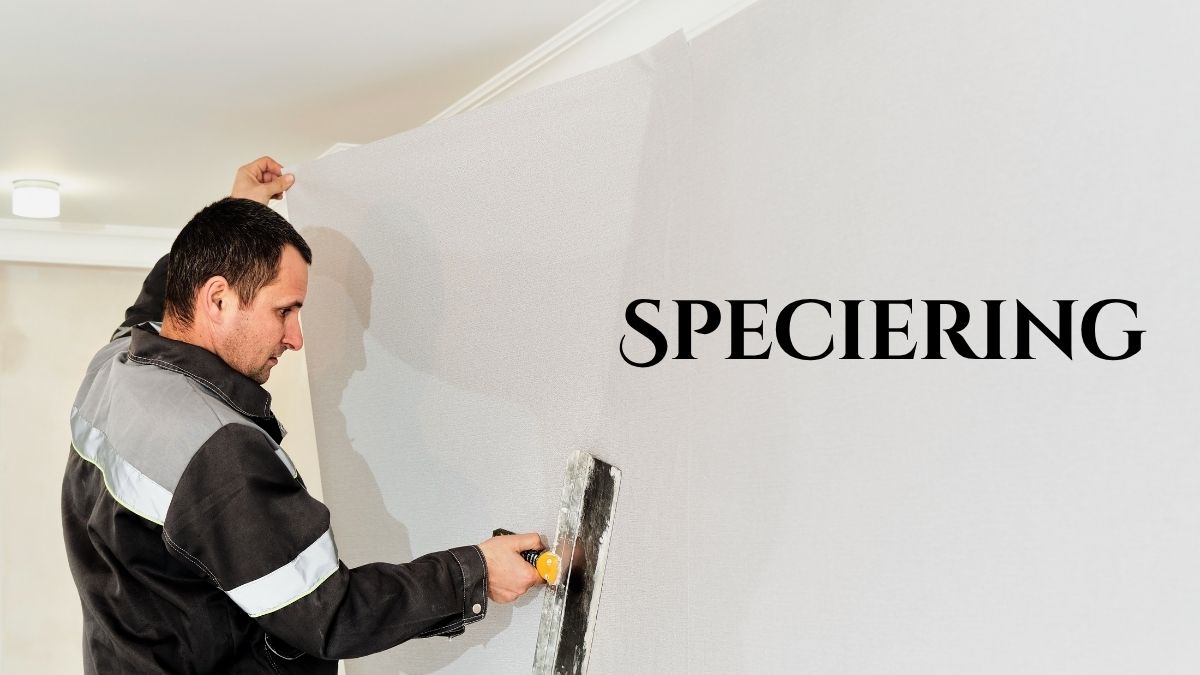
Speciering refers to the process of applying a thin layer of plaster, mortar, or finishing compound to walls, ceilings, or other surfaces to achieve a smooth and even finish. It is often the final step after rough plastering or masonry work, helping to prepare surfaces for painting or decoration. This technique ensures that imperfections such as cracks, uneven textures, or rough patches are covered effectively.
In construction and interior finishing, speciering is valued for both its functional and aesthetic contributions. It enhances the durability of surfaces while also improving their visual appeal. The process requires precision and experience, as even a small mistake can affect the final look. Skilled professionals use specialized tools to achieve a consistent, high-quality finish.
Why Speciering Matters in Construction
Speciering is not just about making surfaces look good; it plays a deeper role in construction quality. A well-finished wall or ceiling provides a solid base for paint, wallpaper, or other decorative elements. Without proper speciering, even the best paint job can look uneven or unprofessional.
Another important aspect is protection. The finishing layer acts as a barrier against moisture, dust, and minor wear and tear. This is especially important in areas with changing weather conditions or high humidity. Proper speciering can extend the lifespan of walls and reduce maintenance costs over time.
In addition, speciering improves the overall value of a property. Buyers and tenants often notice the quality of finishes, even if they don’t know the technical term. Smooth, well-finished surfaces create a sense of quality and attention to detail.
Types of Speciering Techniques
There are different methods of speciering depending on the type of surface and the desired finish. Traditional plaster speciering involves using a cement-based or lime-based mixture applied by hand. This method is commonly used in residential and commercial buildings and is known for its durability.
Modern techniques include gypsum-based speciering, which is quicker to apply and provides a finer finish. This method is popular for interior walls and ceilings due to its smooth texture and ease of use. Another variation involves decorative speciering, where textures or patterns are intentionally added for aesthetic purposes.
Each technique has its own advantages, and the choice depends on factors such as budget, environment, and design preferences. Skilled workers often select the method that best suits the specific project requirements.
Tools and Materials Used in Speciering
Speciering requires a range of tools and materials to achieve a professional finish. Common tools include trowels, floats, and spatulas, which are used to spread and smooth the material evenly. Mixing equipment is also essential to prepare the plaster or compound with the right consistency.
The materials used can vary, but they typically include cement, lime, gypsum, or ready-mixed compounds. Additives may also be used to improve adhesion, flexibility, or drying time. The quality of materials plays a significant role in the final outcome, making it important to choose reliable products.
Proper preparation of the surface is equally important. Cleaning, leveling, and sometimes applying a bonding agent ensures that the speciering layer adheres well and lasts longer.
Benefits of Speciering
Speciering offers several practical and aesthetic benefits that make it a key part of construction and renovation. One of the main advantages is achieving a smooth and uniform surface, which enhances the overall appearance of a space. It also helps in hiding imperfections and creating a clean, polished look.
Another benefit is improved durability. The finishing layer adds strength to walls and protects them from minor damage. It also makes surfaces easier to clean and maintain, which is particularly useful in high-traffic areas.
Speciering can also contribute to better insulation and soundproofing, depending on the materials used. This makes it a valuable addition to modern building practices focused on comfort and efficiency.
Common Mistakes to Avoid in Speciering
Despite its importance, speciering can go wrong if not done correctly. One common mistake is applying the material unevenly, which leads to visible patches and inconsistencies. This often happens when the mixture is not prepared properly or the application is rushed.
Another issue is poor surface preparation. If the base surface is dirty or uneven, the finishing layer may not adhere properly, leading to cracks or peeling over time. Using low-quality materials can also affect the durability and appearance of the finish.
Timing is another critical factor. Applying additional layers too quickly or too late can result in poor bonding. Professionals understand the importance of proper drying times and environmental conditions during the process.
Where Speciering Is Commonly Used
Speciering is widely used in both residential and commercial construction. In homes, it is applied to walls and ceilings to prepare them for painting or wallpaper. It is also used in kitchens and bathrooms, where smooth and durable surfaces are essential.
In commercial spaces, speciering is used to create clean and professional interiors. Offices, retail stores, and hotels often rely on high-quality finishing to create a positive impression. The technique is also used in renovation projects to restore old or damaged surfaces.
Outdoor applications are less common but still possible with the right materials. In such cases, weather-resistant compounds are used to ensure durability.
Speciering vs Other Finishing Methods
Speciering is often compared to other finishing methods such as skimming, plastering, and drywall finishing. While these techniques share similarities, speciering focuses specifically on the final smoothing and refining stage.
Plastering usually refers to the initial application of a thicker layer to create a base, while speciering is the finishing touch that perfects the surface. Skimming is closely related but may involve thinner layers and quicker application.
Understanding these differences can help homeowners and builders choose the right method for their needs. In many cases, speciering is used in combination with other techniques to achieve the best results.
Tips for Achieving the Best Speciering Results
Achieving a high-quality speciering finish requires attention to detail and proper technique. Consistency in the mixture is crucial, as it affects how easily the material can be applied and smoothed. Working in small sections can help maintain control and prevent uneven drying.
Lighting also plays an important role. Good lighting helps identify imperfections during the process, allowing them to be corrected before the material sets. Patience is key, as rushing can lead to mistakes that are difficult to fix later.
Hiring experienced professionals is often the best option for large or complex projects. Their expertise ensures that the job is done efficiently and to a high standard.
The Future of Speciering in Modern Construction
As construction techniques continue to evolve, speciering is also benefiting from new materials and technologies. Ready-mix compounds and advanced tools are making the process faster and more efficient. These innovations are helping reduce labor time while maintaining high-quality results.
Sustainability is another growing focus. Eco-friendly materials and practices are being introduced to reduce environmental impact. This includes low-emission compounds and recyclable materials that align with modern building standards.
Despite these advancements, the core principles of speciering remain the same. Skill, precision, and attention to detail continue to define this essential finishing technique.
Conclusion
Speciering may not always be visible as a separate process, but its impact is undeniable. It transforms rough surfaces into smooth, polished finishes that enhance both the beauty and durability of a space. Whether you are building, renovating, or simply learning about construction techniques, understanding speciering gives you a deeper appreciation for quality craftsmanship.
From its practical benefits to its role in modern construction, speciering remains a vital part of creating comfortable and visually appealing environments. By choosing the right materials, techniques, and professionals, you can ensure a finish that stands the test of time.
FAQs
What is speciering?
Speciering is the process of applying a thin finishing layer to walls or ceilings to create a smooth and even surface.
Is speciering necessary before painting?
Yes, it helps create a clean and smooth base, ensuring better paint adhesion and a professional finish.
How long does speciering take to dry?
Drying time depends on the material used, but it typically takes 24 to 48 hours.
Can speciering be done on old walls?
Yes, it is commonly used in renovations to repair and smooth damaged or uneven surfaces.
What materials are used in speciering?
Common materials include cement, gypsum, lime, and ready-mixed finishing compounds.