The word “Nativitat” comes from Latin roots meaning birth, and it is most commonly associated with the birth of Jesus Christ. Across many cultures, it represents not only a historical event but also a symbol of hope, renewal, and divine love. The concept of Nativitat goes beyond religion, touching art, culture, and human emotion. It is a story that has been passed down for centuries, evolving in meaning while staying true to its spiritual core. Today, it continues to inspire millions around the world in both sacred and secular ways.
Historical Background of Nativitat
The origins of Nativitat trace back to early Christian traditions that celebrated the birth of Jesus in Bethlehem. Historical accounts come mainly from the Gospels, which describe the humble setting of the birth in a manger. Over time, this story became central to Christian teachings and traditions. By the fourth century, the celebration of the Nativity was formally established, influencing religious calendars and rituals. The historical context also reflects the social and political environment of the time, making it a rich subject for both faith and academic study.
Religious Significance of Nativitat
For Christians, Nativitat holds deep spiritual meaning as it marks the arrival of the Savior. It represents the fulfillment of divine promises and the beginning of a new covenant between God and humanity. The story emphasizes humility, as Jesus was born in simple surroundings despite his divine status. This message continues to guide believers in their daily lives, encouraging compassion, kindness, and faith. The Nativity also plays a central role in Christmas celebrations, reminding people of the true purpose behind the festivities.
Cultural Interpretations Around the World
Nativitat is celebrated differently across cultures, each adding unique traditions and customs. In many European countries, nativity scenes are displayed in homes and public spaces, often crafted with intricate detail. In Latin America, reenactments known as “Las Posadas” bring the story to life through community participation. Asian and African cultures also incorporate local elements, blending traditional music, clothing, and storytelling. These variations highlight how the message of Nativitat transcends borders while adapting to diverse cultural expressions.
Artistic Representations of Nativitat
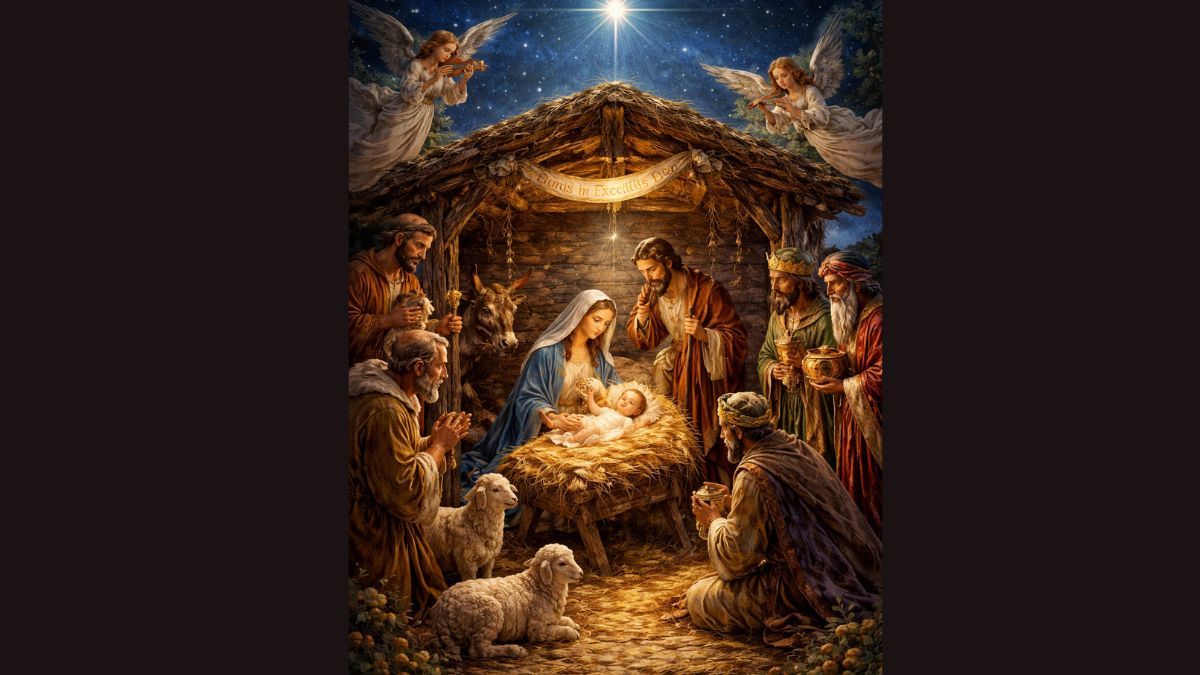
Artists throughout history have found inspiration in the theme of Nativitat, creating masterpieces in painting, sculpture, and music. Renaissance artists, in particular, brought the Nativity scene to life with dramatic detail and emotion. These works often depict Mary, Joseph, the infant Jesus, shepherds, and angels, each symbolizing different aspects of the story. Modern interpretations continue to evolve, using contemporary styles and mediums. Artistic representations not only preserve the story but also make it accessible to new generations.
Symbolism Within the Nativity Story
The story of Nativitat is rich in symbolism, each element carrying deeper meaning. The manger represents humility and simplicity, while the star symbolizes guidance and divine presence. Shepherds reflect the inclusion of ordinary people, and the gifts of the wise men signify honor and recognition of greatness. These symbols help convey the core messages of the story in a way that is easy to understand. They also allow individuals to connect personally with the narrative, finding relevance in their own lives.
Nativitat in Modern Celebrations
In today’s world, Nativitat remains a central theme during the Christmas season, though its expression has evolved. While many focus on decorations, gifts, and festivities, the Nativity story continues to remind people of deeper values. Churches hold special services, and families gather to reflect on the meaning of the occasion. In some communities, nativity plays and storytelling sessions are organized to educate younger generations. Despite modern changes, the essence of Nativitat remains rooted in faith and togetherness.
Educational Importance of Nativitat
Teaching the concept of Nativitat helps individuals understand both religious and cultural history. It provides insight into traditions that have shaped societies for centuries. Schools and religious institutions often include the Nativity story in their curriculum, emphasizing its moral lessons. These lessons, such as humility, generosity, and compassion, are universal and relevant to people of all backgrounds. By learning about Nativitat, individuals gain a deeper appreciation for cultural diversity and shared human values.
The Role of Nativitat in Family Traditions
For many families, Nativitat is an important part of holiday traditions. Setting up a nativity scene, attending church services, or reading the story together are common practices. These activities help strengthen family bonds and create lasting memories. They also provide an opportunity to pass down values and beliefs to younger generations. In a fast-paced world, such traditions offer a moment of reflection and connection, making the celebration more meaningful.
Spiritual Lessons from Nativitat
The story of Nativitat teaches several important spiritual lessons that remain relevant today. It highlights the power of humility, showing that greatness can come from the simplest beginnings. It also emphasizes faith, as Mary and Joseph trusted in a higher purpose despite uncertainty. Compassion and generosity are central themes, encouraging people to care for others. These lessons go beyond religious boundaries, offering guidance for living a balanced and meaningful life.
Conclusion
Nativitat is more than just a historical or religious event; it is a timeless story that continues to inspire people across the world. Its themes of hope, humility, and love resonate deeply in every generation. Whether viewed through a spiritual, cultural, or artistic lens, the story remains powerful and relevant. By understanding and appreciating Nativitat, we connect with a tradition that has shaped human history and continues to guide our values today.
FAQs
What is Nativitat?
Nativitat refers to the birth of Jesus Christ and symbolizes hope, renewal, and divine love in Christian tradition.
Why is Nativitat important?
It is important because it marks the beginning of a key event in Christianity and carries deep spiritual and cultural meaning.
How is Nativitat celebrated?
It is celebrated through church services, nativity scenes, family traditions, and festive gatherings during Christmas.
What does the nativity scene represent?
The nativity scene represents the birth of Jesus, highlighting humility, faith, and the presence of divine guidance.
Is Nativitat only a religious concept?
While rooted in religion, Nativitat also holds cultural and artistic significance across many societies.