
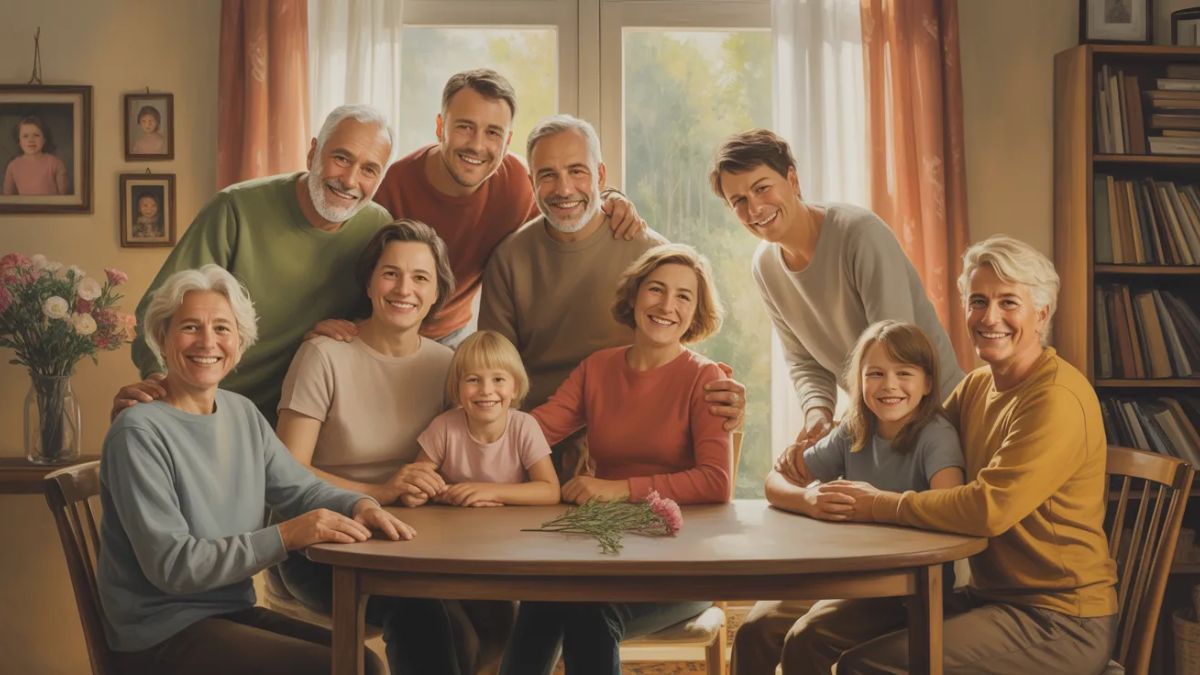
Family is more than just a group of people who share DNA. In Hebrew culture and language, this idea is expressed beautifully through the word mishpacha. Whether you’ve heard the term in conversation, seen it in print, or encountered it in community life, mishpach’a holds deep meaning far beyond a simple dictionary definition. In this article, we’ll explore what mishpacha means, how it’s used in language and culture, and why it resonates so strongly in both personal and communal life.
What Does “Mishpacha” Mean?
The word mishpach’a literally translates to “family” in Hebrew. It comes from the Hebrew root שׁ־פ־ח (sh‑p‑ḥ) and traditionally refers to a family unit that includes parents, children, and often extended relatives as well. In Jewish life and Hebrew language, mishpacha isn’t limited to a nuclear family; it embraces a broader circle of connection that may include cousins, grandparents, uncles, and aunts. This richer sense of kinship reflects an emphasis on communal bonds and shared heritage.
Mishpacha in Language and Culture
In everyday Hebrew, mishpach’a is the word most commonly used to speak about one’s family. Whether discussing immediate family or extended relatives, the term captures both emotional closeness and social identity. In cultural and historical contexts, mishpacha also appears in religious texts and community life as a foundational social unit, shaping everything from daily traditions to celebrations and rites of passage. The word’s usage highlights not just biological ties, but the value of belonging and shared life experiences.
Beyond Blood: The Broader Meaning of Mishpacha
While mishpacha literally means family by blood or marriage, in many Jewish communities the concept expands to include people who feel like family even without direct kinship. In social gatherings, support networks, and religious life, people often refer to close friends or community members as mishpach’a because of the strong sense of care and responsibility they share. This deepened meaning embodies an emotional bond that transcends genetics, emphasizing shared values, support, and belonging.
Mishpacha in Modern Contexts
Today, mishpacha appears in many modern settings beyond everyday conversation. It’s a common word in Hebrew literature, family celebrations, and even in organizational names that emphasize unity and care. For example, some community groups use the word mishpach’a to describe volunteer support networks that offer help across life’s milestones — from newborn celebrations to bereavement. It’s also the name of weekly magazines serving Jewish communities, reflecting its deep roots in identity and collective life.
The Emotional and Social Power of Mishpacha
The concept of mishpacha carries a powerful emotional resonance. It’s much more than a label for relatives; it communicates a sense of protection, support, and love. In many families, mishpach’a serves as the central unit around which traditions, celebrations, and daily life revolve. It symbolizes the shared memories and mutual responsibilities that bind individuals together across generations and experiences. In this way, mishpacha helps shape personal identity and social belonging in meaningful ways.
How Mishpacha Shapes Identity
In cultures that use the word mishpacha, identity often extends far beyond individual achievement. Being part of a mishpach’a means connecting to values, history, and community. In many Jewish traditions, for instance, family heritage carries religious, cultural, and historical significance that influences everything from holiday observances to ethical teachings. This collective identity provides people with a sense of roots and continuity that’s passed down through generations.
Mishpacha in Everyday Life
Whether you are planning a family meal, attending a celebration, or simply talking about loved ones, mishpacha pops up frequently in Hebrew speech and Jewish cultural life. Children grow up learning about their mishpach’a through stories, traditions, and shared experiences that connect them with older generations. This everyday use reinforces the idea that family is not just a group of people, but a lifelong source of connection and strength.
Cultural Reflections: Family as Foundation
Across cultures, family is often seen as the cornerstone of society, and in Hebrew, the word mishpach’a captures that beautifully. It speaks to a collective understanding that families are the first communities we join — places where values are learned, support is given, and identities are formed. As life changes and communities evolve, the enduring concept of mishpacha remains central to how people relate to one another and build meaningful lives.
Conclusion: The Enduring Value of Mishpacha
In a world that often emphasizes individuality, the word mishpach’a reminds us of something deeper and more enduring: connection. It illustrates how family — in its many forms — shapes our values, supports our journeys, and gives us a sense of belonging. Whether referring to blood relatives, chosen family, or extended community, mishpach’a celebrates the relationships that ground us and give life meaning. Understanding this rich, multifaceted concept offers a deeper appreciation for how language and culture reflect the ties that bind us.
FAQs
What is the literal meaning of mishpach’a ?
Mishpacha literally means “family” in Hebrew, referring to relatives connected by blood or marriage.
What cultural significance does mishpach’a have?
In Hebrew and Jewish culture, mishpacha represents not just family ties but emotional bonds, traditions, and communal identity.
Is mishpach’a used only for immediate family?
No, mishpach’a can include extended relatives and sometimes even close community members who feel like family.
How is mishpach’a reflected in modern organizations?
Some community groups use the word mishpach’a to describe supportive networks that help people through life events and challenges.
Does mishpach’a appear in religious contexts?
Yes, mishpach’a appears in Hebrew religious texts and traditions, emphasizing kinship and communal bonds.