
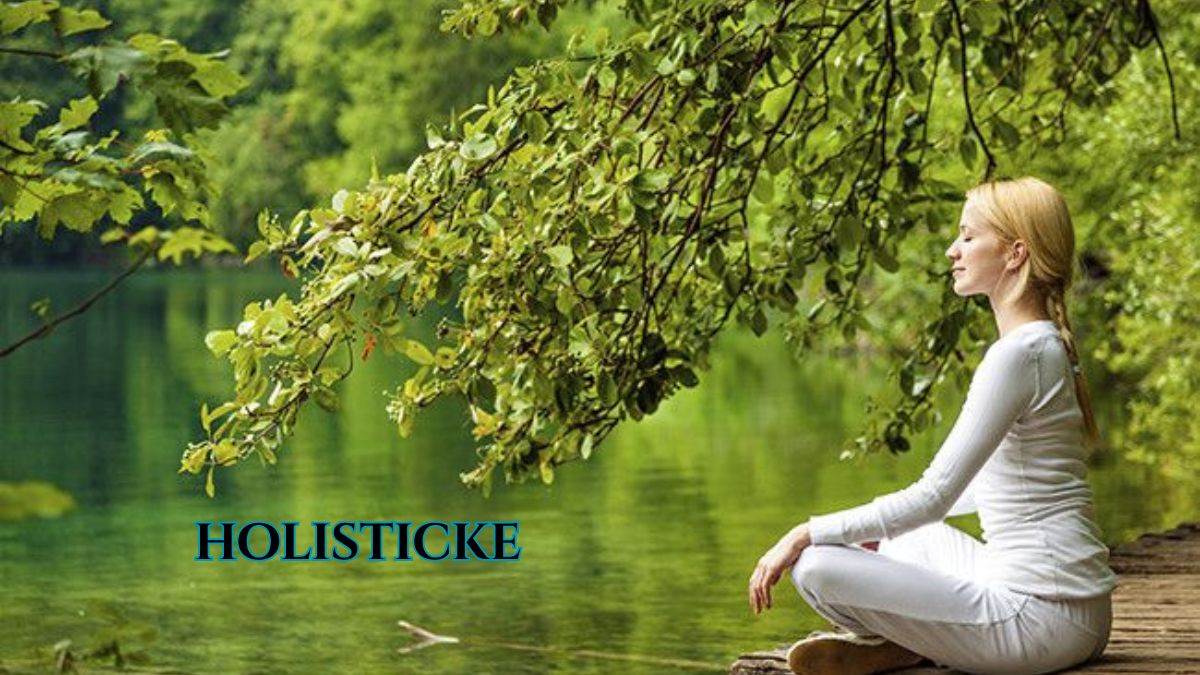
In today’s fast-moving world, many people feel disconnected from their own well-being. Stress, unhealthy routines, and constant pressure often lead to physical fatigue and emotional imbalance. This is where the idea of holisticke wellness becomes meaningful. Holisticke wellness focuses on the whole person rather than isolated problems. It recognizes that physical health, mental clarity, emotional stability, and lifestyle choices are deeply connected and influence one another every day.
Instead of asking only “What symptom needs fixing?”, holisticke thinking asks “What is happening in the whole system?”. This shift in perspective allows people to understand themselves better and create long-lasting improvements. Holisticke wellness is not a trend or a quick solution. It is a way of living that encourages awareness, balance, and responsibility for one’s own health and happiness.
Table of Contents
What Makes Holisticke Different From Traditional Approaches
Traditional approaches often focus on solving problems after they appear. While this method can be effective in emergencies, it may overlook deeper causes. Holisticke wellness takes a broader view by looking at daily habits, emotional patterns, environment, and mindset. It emphasizes prevention, balance, and consistency rather than reaction.
Holisticke living encourages people to notice early signs of imbalance. Low energy, frequent stress, or poor sleep are not ignored but seen as signals. By responding early, larger problems can often be avoided. This proactive mindset is one of the strongest foundations of holisticke wellness.
The Foundations of Holisticke Living
The Connection Between Body and Mind
A core belief of holisticke wellness is that the body and mind are not separate. Thoughts influence emotions, emotions affect physical health, and physical habits shape mental clarity. When stress builds up mentally, it often shows up physically through headaches, muscle tension, or fatigue.
Holisticke practices encourage calming the mind to support the body. Simple awareness of breathing, emotions, and thought patterns can reduce stress and improve overall well-being. When the mind becomes calmer, the body naturally responds with better energy and balance.
Emotional Awareness as a Key Element
Emotions play a major role in holisticke wellness. Suppressed emotions may lead to long-term discomfort, while expressed emotions promote relief and clarity. Holisticke living supports emotional honesty and self-understanding without judgment.
By acknowledging feelings instead of ignoring them, people gain better control over reactions and decisions. Emotional awareness strengthens relationships, improves self-confidence, and creates inner stability.
Holisticke Health in Daily Practice
Holisticke health does not require extreme changes or complex routines. It is built through small, mindful actions practiced consistently over time.
Nutrition From a Holisticke Perspective
In holisticke wellness, food is seen as nourishment rather than a strict set of rules. The focus is on how food affects energy, digestion, and mood. Instead of following trends, holisticke eating encourages listening to the body’s signals.
Eating slowly, choosing fresh foods, and maintaining balance supports both physical and mental health. Over time, mindful eating habits reduce digestive discomfort and improve energy levels naturally.
Movement and Physical Activity
Movement in holisticke living is about supporting the body rather than pushing it to limits. Gentle and regular movement keeps joints flexible, improves circulation, and reduces stress. Activities such as walking, stretching, or mindful exercises fit easily into daily routines.
Holisticke movement emphasizes enjoyment and sustainability. When movement feels good, consistency becomes easier, and long-term benefits increase.
Holisticke Lifestyle and Everyday Balance
Holisticke living extends beyond health habits and influences how people work, rest, and interact with others.
Creating Balanced Daily Routines
Daily routines strongly affect well-being. Holisticke routines include moments of calm, focus, and rest alongside responsibilities. Starting the day with awareness and ending it with relaxation creates a healthy rhythm.
Simple habits such as reducing screen time before sleep, staying hydrated, and allowing moments of silence help restore balance. These practices may seem minor, but their long-term impact is powerful.
Work-Life Balance Through a Holisticke Lens
Work-related stress is common, but holisticke living encourages healthier boundaries. Productivity is important, but rest and recovery are equally valuable. Ignoring rest often leads to burnout and reduced performance.
Holisticke wellness supports working with intention, taking breaks, and respecting personal limits. When work and personal life are balanced, focus improves and stress decreases.
Comparing Holisticke Wellness With Conventional Lifestyles
Understanding the difference between holisticke and conventional lifestyles helps clarify its value.
| Area | Conventional Lifestyle | Holisticke Lifestyle |
|---|---|---|
| Health Focus | Treats illness | Supports overall balance |
| Stress Management | Reactive | Preventive |
| Lifestyle Habits | Habit-driven | Awareness-driven |
| Emotional Care | Often ignored | Actively supported |
| Long-Term Results | Short-term relief | Sustainable well-being |
This comparison shows how holisticke wellness creates deeper and longer-lasting improvements by addressing root causes.
Common Holisticke Practices People Use
Many holisticke practices are simple and easy to include in everyday life. Mindful breathing supports relaxation and emotional control. Journaling encourages self-reflection and clarity. Spending time in nature restores mental energy and reduces stress.
Practicing gratitude shifts focus toward positivity and appreciation. Over time, these practices build emotional resilience and inner peace.
Challenges People Face With Holisticke Living
Adopting a holisticke lifestyle may feel challenging at first. Modern habits often encourage constant activity and distraction. Slowing down can feel uncomfortable initially, especially for those used to busy schedules.
Another challenge is patience. Holisticke wellness focuses on gradual improvement rather than instant results. Progress may feel slow, but it is steady and lasting. Accepting the process makes the journey more enjoyable and realistic.
Long-Term Impact of Holisticke Wellness
The long-term benefits of holisticke living are both physical and emotional. Many people experience better energy, improved sleep, reduced stress, and stronger emotional balance. Decision-making becomes clearer, and daily challenges feel more manageable.
Holisticke wellness also supports personal growth. When people understand themselves better, they build confidence and resilience. Life feels more aligned and purposeful rather than chaotic.
Holisticke Wellness in a Modern Lifestyle
Holisticke living does not require major lifestyle changes or isolation from modern life. It fits naturally into busy schedules through mindful choices. Even small moments of awareness during meals, work breaks, or conversations support balance.
Technology, when used mindfully, can also support holisticke wellness. Setting boundaries and using tools intentionally helps maintain mental clarity.
Conclusion: Choosing a Holisticke Path to Balance
Holisticke wellness offers a meaningful way to improve life by focusing on the whole person rather than isolated issues. It encourages awareness, balance, and consistency without pressure or extremes. Through small daily choices, holisticke living creates long-term physical health, emotional stability, and mental clarity.
By embracing holisticke principles, people learn to listen to their bodies, respect their emotions, and live with intention. Over time, this approach leads to a more balanced, resilient, and fulfilling life.
FAQs About Holisticke Wellness
What does holisticke wellness focus on?
Holisticke wellness focuses on the connection between physical health, mental clarity, emotions, and lifestyle choices.
Is holisticke living difficult to maintain?
No, holisticke living is flexible and adapts to individual routines. Small, consistent habits make it sustainable.
Can holisticke wellness reduce stress?
Yes, by addressing root causes and encouraging balance, holisticke practices help reduce stress naturally over time.
Does holisticke wellness replace medical treatment?
Holisticke wellness supports overall health but works best alongside professional medical care when needed.
How can beginners start holisticke living?
Beginners can start by practicing awareness, improving sleep habits, eating mindfully, and managing stress gently.