
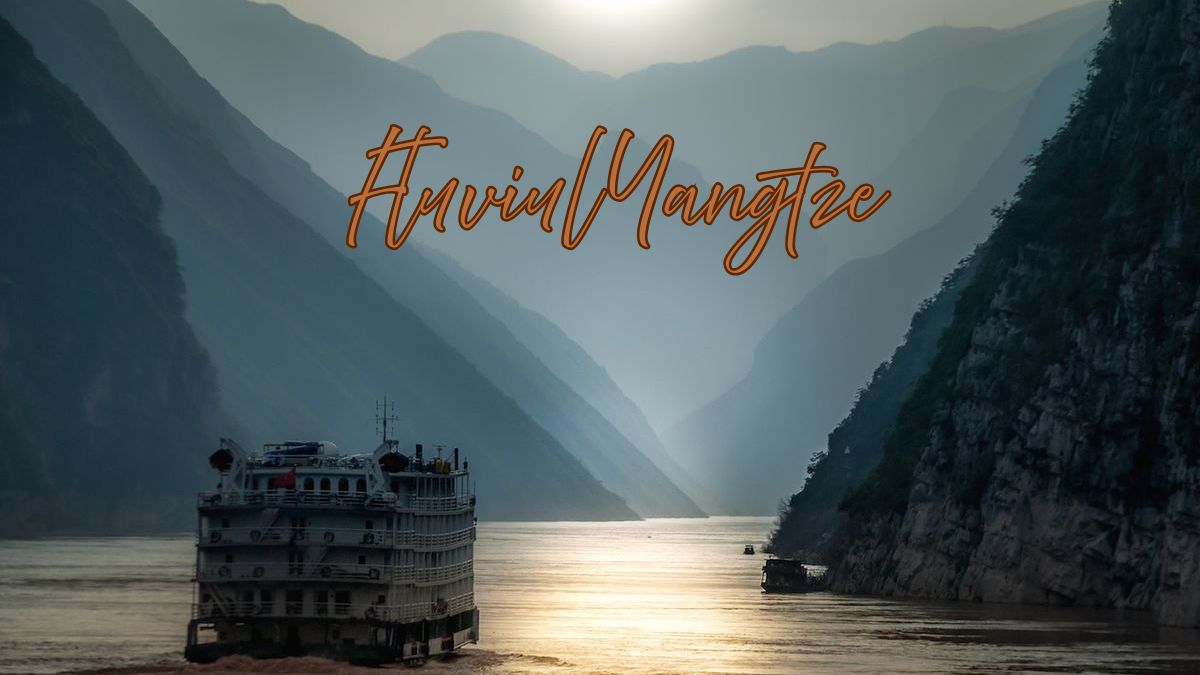
Fluviul Yangtze is more than a name on a map; it is a living artery that has shaped landscapes, civilizations, and economies for thousands of years. When people speak of the Yangtze, they often mean a majestic waterway that begins in high, snowy plateaus and travels eastward to meet the sea.
In this article I will explain the river’s origin, physical features, historical significance, ecological value, cultural meanings, economic role, and the modern challenges it faces. The aim is to present clear, easy-to-understand information while naturally optimizing the keyword fluviul yangtze so the reader and search engines alike can quickly grasp the river’s layered importance.
Table of Contents
Origins and Physical Features
Fluviul Yangtze begins high on the Tibetan Plateau and winds its way through dramatic canyons, broad plains, and bustling urban centers before emptying into the East China Sea. The source lies in icy headwaters that give the river its force and seasonal rhythms.
Along its course, fluviul yangtze picks up sediment and tributaries that expand its width and depth, producing diverse habitats and fertile floodplains. The total length, the major tributaries, and the river’s seasonal behaviors are part of its physical identity, while the alternating stretches of calm water and turbulent rapids create very different human and ecological environments along its banks.
A Short History of Human Interaction
Humans have lived beside fluviul yangtze for millennia, relying on it for food, transport, and irrigation. Early settlements grew into towns; towns became cities as the river enabled trade and mobility. Historically, the river was a corridor for cultural exchange and political power, and it features in many historical documents, poems, and relics. Over time the relationship deepened: civilizations engineered the river with dikes, canals, and later, massive dams.
Each intervention brought benefits like flood control and electricity but also costs for communities and natural systems. Understanding fluviul yangtze requires appreciating this long history of cooperation and conflict between people and water.
Ecology and Biodiversity
Fluviul Yangtze supports a rich array of life that ranges from tiny plankton to large freshwater fish and migratory birds. In the river’s varied habitats, many species evolved to depend on its seasonal cycles. Unfortunately, some species that once thrived in fluviul yangtze have declined because of habitat loss, pollution, and changes to flow patterns.
Ecologists studying the river emphasize the interdependence of species and the way water quality, sediment transport, and temperature influence the whole system. Protecting biodiversity along the river means protecting the physical processes that sustain it: natural flood regimes, connected floodplains, and clean, flowing water.
Cultural Significance and Identity
Fluviul Yangtze appears in art, literature, and the spiritual imagination of millions. Villages and cities along the banks hold festivals and traditions tied to the river’s rhythm. For many communities, the river is not just a resource but a symbol of continuity and change: it carries memories of ancestors, legends of heroes, and the daily routines of fishermen and farmers.
This cultural layer matters because the river’s story is written in human lives; policies that affect the river inevitably affect cultural practices, languages, and local identities.
Economic Importance and Modern Uses
Fluviul Yangtze functions as a backbone of modern economies where it flows. The river enables inland shipping, provides water for agriculture and industry, produces hydroelectric power, and supports fisheries and tourism. Major ports on the river connect inland production centers to global trade routes, making fluviul yangtze critical to regional and national economies.
At the same time, the intensive use of the river for industry and power generation creates tensions between short-term gains and long-term sustainability. Balancing energy needs, industrial growth, and environmental protection is one of the most pressing challenges tied to the river.
Social and Environmental Challenges
As fluviul yangtze has been developed, challenges have multiplied. Flood control projects and dams have changed natural flows, sometimes disrupting fish migration and sediment delivery to floodplains. Pollution from factories, farms, and cities threatens water quality and human health. Urban expansion and land conversion along the river reduce habitats and increase flood risk.
At the same time, climate variability can alter rainfall patterns and glacier melt, affecting both water supply and flood behavior. Addressing these challenges requires integrated policies that bring together scientists, communities, and decision-makers to restore ecosystem functions while supporting livelihoods.
Restoration, Conservation, and Management Efforts
Efforts to protect and restore fluviul yangtze combine scientific research, engineering, and community engagement. Restoration projects may reestablish wetlands, reconnect rivers to their floodplains, and improve wastewater treatment. Some management strategies emphasize adaptive approaches that learn from seasonal variability and respect ecological thresholds.
Community involvement matters: local knowledge about fishing, planting, and seasonal patterns can help design practical restoration plans. Conservation of the river is not just about protecting nature; it is about supporting healthier, more resilient communities that depend on fluviul yangtze.
Practical Ways People Interact with the River Today
There are many ways to experience fluviul yangtze that range from commercial shipping to quiet riverside walks. Riversides host markets, small farms, and industries that harvest the river’s resources. For visitors, boat trips and cultural tours reveal both natural vistas and human history.
For managers and residents, day-to-day interactions involve monitoring water quality, coordinating flood response, and managing fisheries. In short, the river remains a living system shaped continually by human action and natural processes.
Table: Snapshot Comparison of Key Features
| Feature | Description |
| Source | High mountain headwaters on the Tibetan Plateau |
| Length | Several thousand kilometers from source to sea |
| Main Uses | Shipping, irrigation, hydroelectric power, fisheries, tourism |
| Ecological Concerns | Habitat loss, pollution, altered flow regimes |
| Cultural Role | Central in literature, festivals, and local identities |
| Modern Challenges | Dams, urbanization, climate impacts, pollution |
List of Priority Actions for a Sustainable Future
- Strengthen water quality standards and expand wastewater treatment across cities and industries that discharge into the river.
- Restore floodplain connections and wetlands to support biodiversity and natural flood control.
- Implement fish passages and flow management that maintain migratory routes and spawning habitats.
- Promote sustainable agricultural practices to reduce runoff and sediment loading into the river.
- Support community-led monitoring and local stewardship programs to integrate traditional knowledge into decision-making.
Conclusion: Living with Fluviul Yangtze
Fluviul Yangtze remains a powerful symbol of nature’s gifts and human responsibility. Protecting this river demands recognizing its many roles—ecological, cultural, and economic—and designing policies that value long-term health over short-term exploitation.
The river’s future depends on a mix of science, policy, and local stewardship, guided by a clear understanding that rivers connect landscapes and people. When fluviul yangtze thrives, so do the communities along its banks and the wider region that depends on its flow. Protecting the river is an investment in both nature and human well-being.
FAQs
What is fluviul yangtze?
Fluviul Yangtze is the term used here to describe the Yangtze River, the long and culturally important river that flows from highland headwaters in the west across China to the East China Sea, supplying water, food, transport, and cultural identity to millions along its banks.
How long is the river and where does it start?
The river begins in high mountain regions on the Tibetan Plateau and stretches across varied landscapes to the sea, passing through gorges, plains, and major cities while collecting water from numerous tributaries.
What kinds of wildlife are found in the river?
A diverse set of freshwater species live in the river, including fish, amphibians, and migratory birds; many species depend on connected floodplains and seasonal flows for breeding and feeding.
Why are dams and development controversial along the river?
Dams and other developments provide electricity and flood control but also alter flow patterns, fragment habitats, and displace communities, creating trade-offs between economic benefits and environmental or social costs.
How can communities help protect the river for future generations?
Communities can participate in local restoration projects, support better wastewater management, advocate for sustainable land use, and share traditional ecological knowledge that informs conservation and management strategies.