
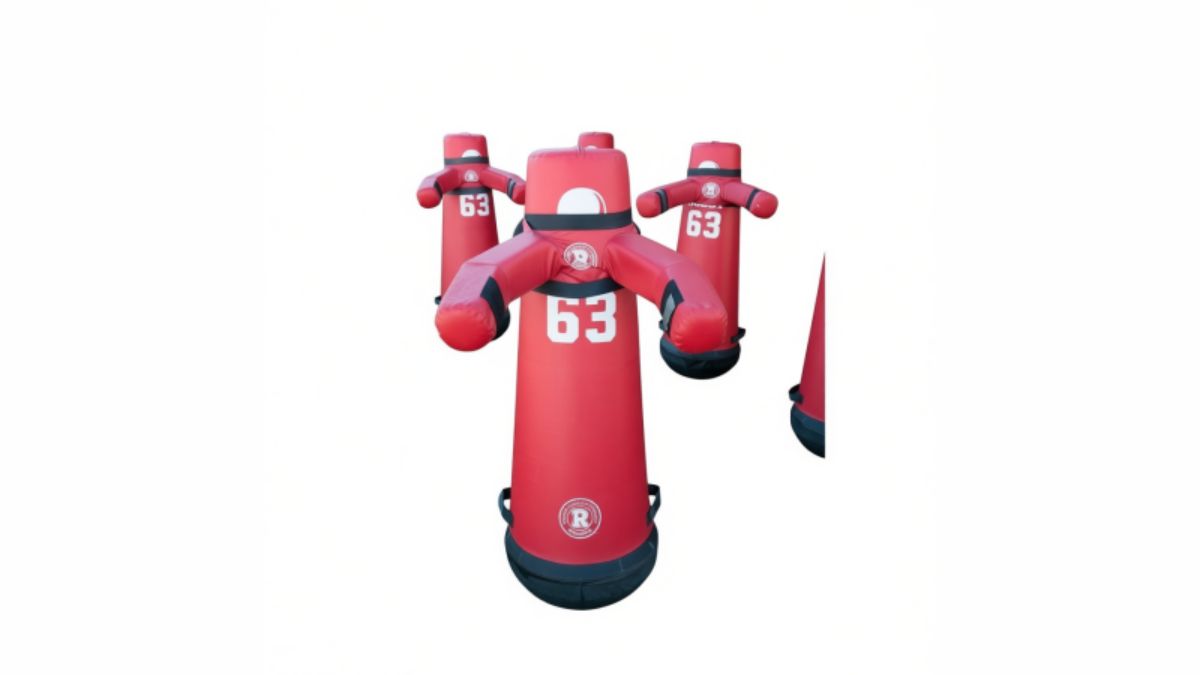
Training effectively and safely is the backbone of every good football program, from youth leagues to elite teams. A key piece of equipment that helps players develop proper form, timing, and confidence is the football tackling dummy. Whether you are a coach equipping a practice field, a player looking to train at home, or a parent seeking safe options for your child’s drills, understanding how to pick, use, and care for a football tackling dummy will make your sessions more productive and reduce the risk of injury. This article walks through everything you need to know, in clear, simple language, and with practical tips you can apply immediately.
Table of Contents
Why a football tackling dummy matters
A football tackling dummy serves as a consistent, safe, and repeatable target for practicing contact. It gives players a stationary or semi-mobile object to drive into so they can refine head placement, shoulder contact, hip alignment, and follow-through. When used correctly, a tackling dummy allows athletes to practice the fundamentals of tackling without the unpredictability of live tackling, which can be dangerous for inexperienced players. Coaches rely on dummies to teach technique first and then introduce live contact later, ensuring athletes build a foundation of safe habits.
Types of tackling dummies and how to choose the right one
There are several types of football tackling dummies, and the right choice depends on age group, training goals, budget, and storage needs. A basic foam-shaped dummy works well for young players learning the basics. For high school and college-level teams, heavier sled-style dummies or mannequin dummies with weighted bases better simulate the resistance and body shape of an opponent. Some dummies are portable and inflatable, suited to backyard practice, while others are heavy-duty and designed for daily use on a field. When choosing, look for durability of materials, realistic height and torso shape, and whether the dummy can be anchored or moved to simulate different tackling angles.
Key features to look for
When evaluating a football tackling dummy, consider several important features that affect usability and longevity. First, padding density and outer cover quality determine how well the dummy stands up to repeated hits and how much protection it offers to players’ shoulders and heads. Second, the dummy’s height and torso shape should match the age and size of the players using it; a youth dummy that is too low will teach poor habits, while an adult-sized dummy may overwhelm beginner players. Third, portability and weight matter: a heavy weighted base is useful for realism but harder to move between practice areas. Finally, maintenance features such as easy-to-clean covers, repairable seams, and replaceable padding will extend the dummy’s life and reduce long-term cost.
Table: Comparison of common tackling dummy types
| Type | Best for | Pros | Cons |
|---|---|---|---|
| Foam block dummy | Youth and skills drills | Lightweight, inexpensive, easy to store | Less realistic resistance |
| Mannequin dummy (stand-up) | High school, skill repetition | Realistic shape, good for blocking/tackling drills | Can be heavy and costly |
| Sled-style dummy | Line of scrimmage drills, contact simulation | Provides resistance, durable | Requires anchors or heavy base |
| Inflatable dummy | Backyard practice, temporary use | Very portable, inexpensive | Less durable, less realistic feel |
Setting up a safe practice environment
Using a football tackling dummy is only as safe as the environment in which you practice. Choose a level surface free of debris and hazards; grass or turf with adequate cushioning is best. Make sure players warm up thoroughly, focusing on dynamic stretches, hip mobility, and shoulder activation to reduce the risk of strains when they make contact. Coaches should supervise drills closely, emphasizing proper technique and stepping in to correct form before the player repeats a risky motion. If the dummy has moving parts, wheels, or anchors, check these before each session to avoid unexpected movement that could cause injury.
Technique basics to practice with a tackling dummy
Good tackling starts with stance, approach, head position, and follow-through. Teach players to approach with control, feet shoulder-width apart, and knees slightly bent so they can absorb force with the legs. On contact, the head should be up and to one side of the target—not leading with the crown or face—while the shoulder makes primary contact. Hands should wrap around the torso, and the tackler should drive through with the legs to finish the tackle. Practicing these motions repeatedly against a football tackling dummy encourages muscle memory without the unpredictability of a moving teammate. Remember, technique beats force; a properly executed tackle using leverage and hips is more effective and safer than striking with uncontrolled aggression.
Drills to run with a football tackling dummy
There are many drills that benefit from a tackling dummy. Start with walk-throughs where the player moves through the motion slowly to absorb the coaching cues. Progress to speed drills where the player takes a controlled approach and executes the tackle at training speed. Add angle drills where the dummy is reoriented to train different types of pursuit and contact. Use rotational drills to teach how to adjust body positioning on the fly. A simple sequence to develop fundamentals could be described in three steps: first, stance and approach; second, shoulder contact and wrap; third, leg drive and finish. Repeat this sequence with increasing intensity as players demonstrate consistent technique.
Maintenance and care for longevity
Caring for a football tackling dummy extends its useful life and keeps it safe for players. After each session, wipe down the surface with a mild disinfectant to remove sweat and dirt. If the dummy has a removable cover, launder according to manufacturer instructions or use a soft brush and mild soap. Inspect seams and attachment points weekly and repair any small tears immediately to prevent them from growing into larger failures. If the dummy has a weighted base filled with sand or water, periodically check for leaks and reseal or refill as necessary. Proper storage in a dry, shaded place prevents UV damage and material degradation.
Cost considerations and value
Prices for a football tackling dummy vary widely. Low-end foam models are affordable and convenient for casual or youth use, while commercial-grade dummies designed for daily team use can be a significant investment. Consider total cost of ownership: a cheaper dummy might save money upfront but require frequent replacement, while a higher-quality dummy typically lasts longer and performs better in drills. Balance initial budget with expected frequency of use; teams practicing several times per week will benefit from investing in durability and realistic resistance. When in doubt, prioritize safety features and manufacturer warranties.
Transport and storage tips
Moving a tackling dummy around a campus or between fields can be a challenge, especially for heavier models. If the dummy is designed to be portable, use built-in handles or wheels and lift with proper form to protect your back. When storing, avoid piling heavy equipment on top of the dummy, which can deform the padding. If space is limited, consider vertical storage against a wall with a strap to prevent tipping. Keeping the dummy covered when not in use protects it from dust and moisture and reduces the frequency of cleaning required.
Advanced tips for coaches and trainers
Coaches aiming to get the most from a tackling dummy should integrate it into progressive training cycles. Begin with technical repetition at low intensity, then add decision-making components—such as ball-carrying cues or route changes—to mimic in-game reactions. Use video analysis to review a player’s technique and compare it to ideal movements, then design targeted repetitions on the dummy to correct those issues. Pair tackling dummy drills with neck and core strengthening exercises to better prepare players for real contact. For position-specific work, adjust the dummy’s height and orientation to replicate likely contact zones, such as low tackles for linemen and higher torso targets for linebackers.
Conclusion
A football tackling dummy is more than a piece of foam or vinyl; it is a teaching tool that, when chosen carefully and used thoughtfully, accelerates skill development while protecting players during the learning process. Coaches, players, and parents should weigh type, durability, and maintenance needs when selecting a dummy, and always prioritize proper technique over raw force. With consistent practice, attentive coaching, and smart care, a quality football tackling dummy becomes a reliable partner in building safer, more skilled athletes.
Quick reference list of practical steps
- Identify the players’ needs and choose a dummy type that matches their size and the team’s training intensity.
- Inspect the dummy before each session for damage and clean it after use to maintain hygiene and durability.
- Start drills at low speed to teach technique, then increase intensity as the player masters form.
- Store the dummy in a dry, shaded area and repair small tears promptly to extend life.
- Incorporate strength and conditioning exercises alongside tackling drills to improve performance and reduce injury risk.
Frequently asked questions
What is a football tackling dummy and why should teams use one?
A football tackling dummy is a padded shaped object used to practice tackling and blocking techniques. Teams use dummies to teach fundamental contact skills in a controlled, repeatable way that reduces risk compared to live tackling, helps players build confidence, and allows focused coaching on form.
What is the difference between foam and sled-style dummies?
Foam dummies are typically lighter and intended for drills where portability and lower impact are priorities. Sled-style dummies include weighted or anchored bases to provide resistance and simulate the force of an actual opponent, making them more suitable for line drills and higher-level contact work.
What is the safest way to practice tackling with a dummy?
The safest approach includes warming up thoroughly, emphasizing proper technique (head up, shoulder contact, wrap, drive), starting slowly, and progressively increasing intensity. Coaches should supervise and correct form immediately to prevent bad habits.
What is the recommended maintenance routine for a tackling dummy?
Routine maintenance includes wiping the dummy down after use, checking for tears or seam failures, cleaning removable covers per instructions, and inspecting bases or anchors for leaks or damage. Proper care extends life and maintains safety.
What is the ideal dummy for youth practices?
For youth players, a youth-sized foam football tackling dummy is ideal because it is lightweight, easy to handle, and teaches the correct height and contact points without overwhelming a child’s strength and coordination.
What is the lifespan of a quality tackling dummy?
The lifespan varies, but a high-quality, well-maintained tackling dummy used regularly by a team can last several seasons. Lower-end models used frequently may need replacement within a year or two.