
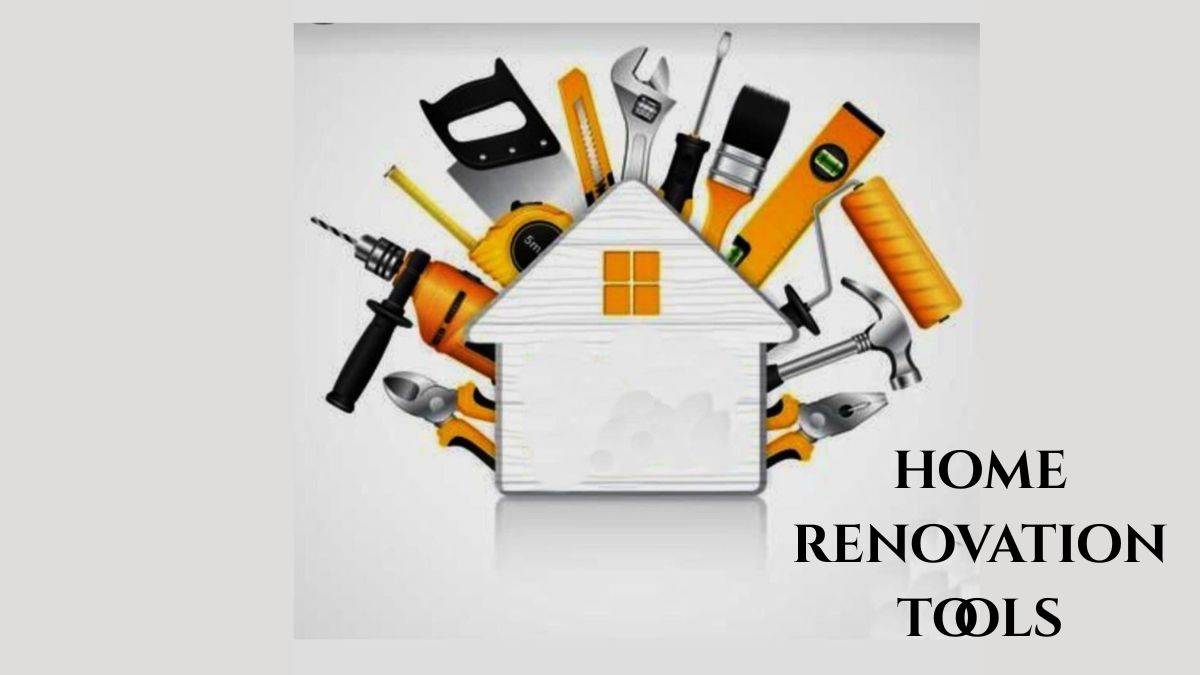
When you decide to update a room, fix a leak, or give your home a fresh look, the difference between a messy job and a satisfying result often comes down to the tools you use. Choosing the right home renovation tools helps you work faster, safer, and with cleaner results. This article walks you step by step through the tools every homeowner should consider, how to prioritize purchases on a budget, safety and maintenance practices, and practical projects where these tools shine. The goal is to give you clear, friendly advice that turns an intimidating list of equipment into manageable, confidence-building choices.
Table of Contents
Understanding categories of home renovation tools
Tools for home renovation fall into a few natural categories: measuring and layout tools, cutting and shaping tools, fastening and joining tools, surface-prep and finishing tools, and power tools for heavier work. Measuring and layout tools keep your work accurate and help you avoid costly mistakes. Cutting and shaping tools let you trim and modify materials so they fit properly. Fastening and joining tools create strong, lasting connections between elements. Surface-prep and finishing tools deliver the polished look that makes a renovation feel complete. Power tools can speed up almost every task, but they also require extra safety and more careful budgeting. Knowing these categories helps you assemble a toolkit that covers most common projects without buying unnecessary items.
Measuring and layout essentials
A good tape measure, a reliable level, and a pencil or marking tool are the foundation of any successful home job. Accurate measurement prevents wasted materials and reduces the number of trips to the hardware store. A laser level can be a game-changer for aligning shelves and picture frames, while a combination square helps when cutting trim or laying out angles. These tools are relatively inexpensive but dramatically increase the quality of the finished project.
Cutting, shaping, and joining
Manual saws, utility knives, chisels, hammers, screwdrivers, and a cordless drill are among the most versatile tools for cutting, shaping, and joining. A circular saw handles larger cuts in plywood or lumber, while a jigsaw makes curved cuts. A quality set of screwdrivers and a reliable cordless drill with a variety of bits will tackle most fastening tasks. Nails, screws, glue, and clamps belong in this section because they secure pieces together and keep joints tight while adhesives cure.
Surface preparation and finishing
Sanding blocks, orbital sanders, paint brushes, rollers, putty knives, and caulk guns are the tools that transform rough construction into finished surfaces. Sanding removes old finishes and smooths surfaces; a power sander speeds up work on large areas. Brushes and rollers come in different sizes and nap for different surfaces, and a good caulk gun helps seal gaps for a professional look. Clean work areas and quality primers and paints complete the finishing stage.
Power tools and safety
Power tools such as drills, table saws, miter saws, and routers expand the range of projects you can do, but they also increase complexity and risk. Always prioritize protective gear like eye protection, hearing protection, and dust masks when using power equipment. Read manuals and watch trusted tutorials to learn proper operation and safety features. For many homeowners, a modest collection of power tools—one cordless drill, a circular saw, and an orbital sander—covers the majority of renovations without overspending.
How to choose tools based on projects and budget
Selecting the right home renovation tools depends on the scope of your project and how often you plan to use each tool. For a single small project, renting specialty tools may make more sense than buying. For ongoing DIY work, invest first in high-quality basics that you will use repeatedly. When you budget for tools, divide expenses into immediate essentials, short-term upgrades, and long-term investments. Essentials include a tape measure, level, utility knife, basic hand tools, cordless drill, and safety gear. Short-term upgrades might be a laser level, a better circular saw, or an orbital sander. Long-term investments include a miter saw, table saw, or a high-capacity compressor for pneumatic tools.
Below is a simple cost-versus-use table to help decide when to rent and when to buy.
| Tool category | Typical price range (low–mid) | Frequency of use | Rent or buy? |
|---|---|---|---|
| Tape measure, level, hand tools | $10–$100 | High | Buy |
| Cordless drill (basic) | $50–$150 | High | Buy |
| Orbital sander | $50–$200 | Medium | Buy if doing multiple projects |
| Circular saw | $60–$250 | Medium | Buy for woodworking or remodeling |
| Miter saw / Table saw | $200–$800+ | Low to medium | Rent for one-off jobs, buy if frequent |
| Tile cutter / Wet saw | $50–$400 | Low | Rent for single projects |
| Air compressor & nailer | $150–$700 | Medium | Buy if doing trim/finish regularly |
This table helps you match cost, use, and the smarter financial choice. For example, buy low-cost, high-use items immediately, and rent bulky, expensive specialty tools when needed.
Practical list of tools for a basic home toolkit
If you want to build a toolkit that covers typical home renovation tasks, here is an ordered list of items to consider buying first, explained with the purpose for each. 1. Tape measure for accurate measurement across projects. 2. Level for aligning shelves and hardware. 3. Utility knife for cutting drywall paper, opening packages, and trimming materials. 4. Screwdrivers and a socket set for fasteners. 5. Cordless drill with a variety of bits to drive screws and drill holes. 6. Hammer for framing and finishing nail work. 7. Pry bar for demolition and trim removal. 8. Handsaw and jigsaw for cutting wood and curves. 9. Circular saw for straight cuts in plywood and lumber. 10. Orbital sander to prepare surfaces for painting or staining. 11. Caulk gun and putty knives for finish work. 12. Paint rollers and brushes for repainting walls and trim. 13. Safety gear including gloves, goggles, dust mask, and ear protection.
Each item on this list supports many tasks, so investing in mid-range versions of the most-used tools often yields the best balance of cost and longevity. The phrase home renovation tools fits naturally into planning conversations because thinking in terms of tools, not individual projects, helps you plan smarter purchases.
Safety, storage, and maintenance: extending tool life
Taking care of your tools prevents accidents and saves money. Store tools in a dry place to avoid rust, keep batteries charged and stored at moderate temperatures, and clean sawdust and debris from vents and moving parts. Inspect cords and plugs for fraying before each use, and replace damaged parts promptly. Respect manufacturer recommendations for blade sharpening and lubrication. Use protective gear every time you operate a tool that produces dust, loud noise, or flying debris. A small investment in proper storage—such as racks, pegboards, or a sturdy toolbox—keeps tools organized and ready when you need them. Routine maintenance and safe handling not only extend the life of your tools but also protect your family and the quality of the work.
Caring for battery-powered tools
Modern cordless tools are convenient, but batteries require special attention. Store lithium-ion batteries partially charged in a cool, dry place. Avoid leaving batteries fully discharged for long periods, and never store them in extreme heat. Clean battery contacts periodically to maintain good electrical connection. When batteries start to lose capacity significantly, replace them to avoid slow, inconsistent power during projects.
Project examples: how tools come together
To show how home renovation tools work in the real world, imagine three example projects: replacing a kitchen backsplash, installing a floating shelf, and refinishing a wooden floor. For a backsplash, the core tools are a tile cutter or wet saw, tile spacers, trowel, and grout float, plus measuring and leveling tools. For a floating shelf, measuring and layout tools, a stud finder, drill, screws, and a level do most of the work. For refinishing a wooden floor, an orbital sander or floor sander, sanding discs, vacuum or dust extractor, stain and finish products, and finish applicators are necessary. Each project uses a combination of the categories described earlier. Understanding which tools are needed for the specific project helps you decide whether to rent or buy particular items.
Budgeting and shopping tips for smart purchases
When shopping for home renovation tools, consider brand reputation, warranty, and local service availability in addition to price. Compare features such as brushless motors, battery compatibility across tool lines, and included accessories. If you are starting a collection of cordless tools, pick a brand whose battery platform covers many tools so you can swap batteries instead of buying new ones for each device. Look for seasonal sales, secondhand marketplaces, and local tool libraries where you can try tools before committing to a purchase. Avoid the temptation to buy the cheapest model of a tool you plan to use often; a modest upgrade in quality often yields years of better performance and fewer headaches.
Environmental and sustainable choices
Selecting tools and materials with sustainability in mind reduces waste and long-term costs. Choose rechargeable tools over single-use batteries, look for energy-efficient models when possible, and select finishes and paints with low volatile organic compound content for healthier indoor air. Recycle old batteries and dispose of hazardous materials like paint or solvent per local regulations. Reuse or repurpose leftover materials when possible, and consider donating usable tools and supplies you no longer need to community projects or tool libraries.
Table: quick reference for common tool tasks and alternatives
| Task | Essential tool(s) | Affordable alternative | When to rent |
|---|---|---|---|
| Measure and mark | Tape measure, level, pencil | Folding rule, straight edge | Never |
| Cut plywood | Circular saw | Hand saw and clamps | Rarely |
| Precise trim cuts | Miter saw | Hand miter box and saw | Buy if frequent, rent if one-off |
| Drill holes, drive screws | Cordless drill/driver | Manual screwdriver and brace | Never |
| Sand surfaces | Orbital sander | Sanding block | Buy for multiple projects |
| Tile cutting | Wet saw | Manual tile cutter | Rent for large jobs |
This table helps you decide the right approach based on frequency and precision needs, aligning decisions with your budget and project plans.
Conclusion: building confidence with the right tools
Home improvement becomes more rewarding and less stressful when you approach it with a plan and the right home renovation tools. Start with accurate measuring devices and a dependable cordless drill, add hand tools for everyday tasks, and expand into power tools as your skill set and project needs grow. Make safety, maintenance, and smart shopping part of your routine to protect your investment and your family. Over time, a modest, well-chosen toolkit will empower you to tackle repairs, upgrades, and creative projects that improve both the function and the feel of your home.
Frequently asked questions (FAQs)
What is the most important tool to buy first?
The most important tool to buy first is a good cordless drill/driver because it speeds up many tasks and replaces manual effort for driving screws and drilling holes. A reliable tape measure and a level are also essential from day one.
What is the best way to avoid buying unnecessary tools?
Plan your projects in advance, list the specific tools each project requires, and identify items you can rent. Borrow tools from friends or local tool libraries if you are unsure whether you will use them again.
What is a reasonable budget for a starter toolkit?
A reasonable starter toolkit can often be assembled for $200 to $500 if you prioritize essential items like a cordless drill, measuring tools, basic hand tools, and safety gear. Higher-quality tools will cost more but can last for many years.
What is the safest way to use power tools?
Always read the manual, wear appropriate protective equipment such as safety glasses and hearing protection, keep work areas clean, use clamps to secure materials, and avoid loose clothing or jewelry that could get caught.
What is the difference between renting and buying a specialty tool?
Renting is ideal for one-off projects because it avoids large upfront costs and storage needs. Buying makes sense if you will use the tool repeatedly and often. Evaluate frequency, cost of rental versus purchase, and storage before deciding.
What is the simplest way to keep tools in good condition?
Clean tools after use, store them in a dry place, inspect them regularly for damage, and follow manufacturer maintenance guidelines such as lubrication and blade sharpening. Proper care extends tool life and ensures safe operation.